




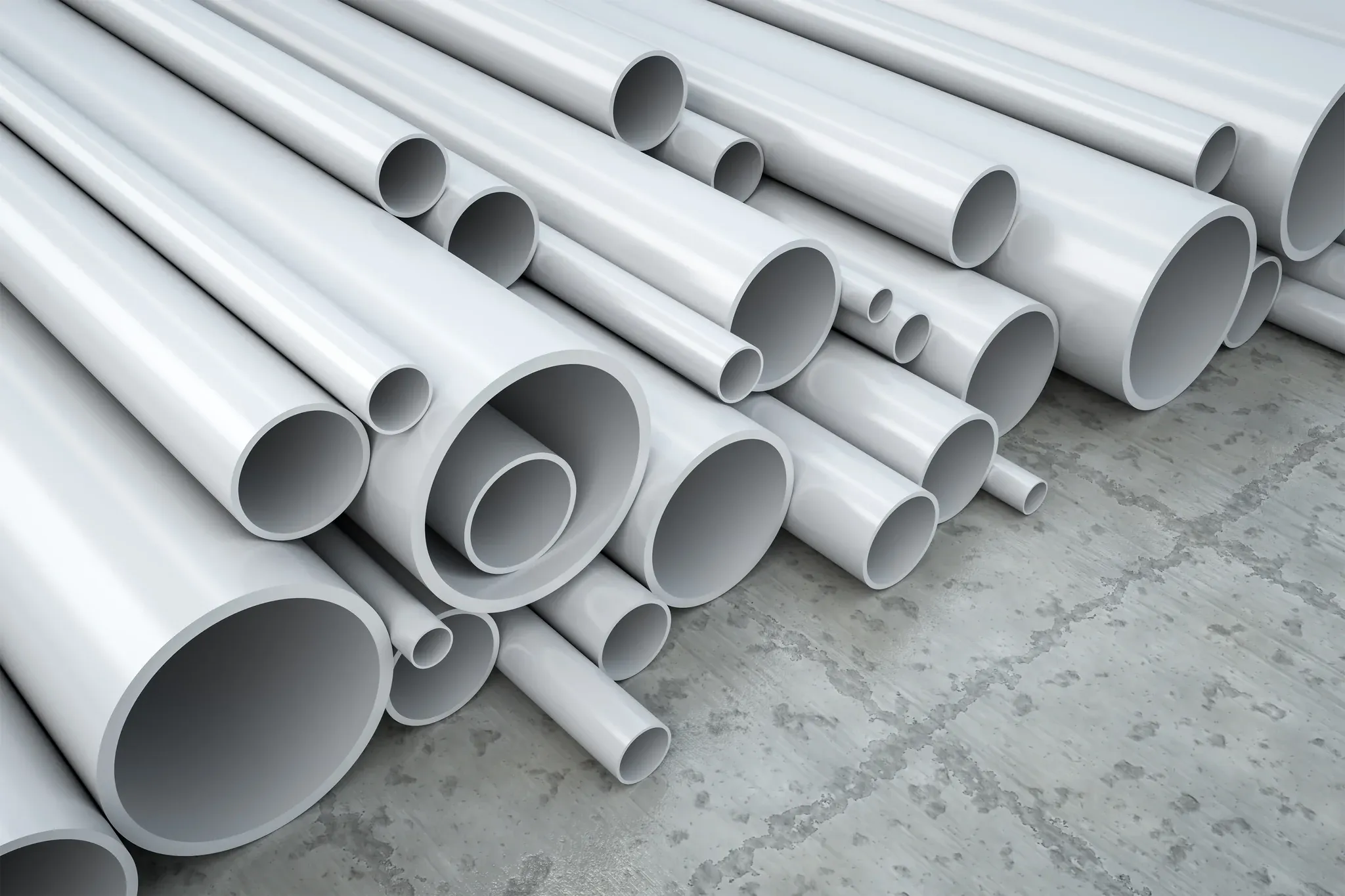
A pipe that is too small may restrict flow and increase pressure, while an oversized pipe can add unnecessary costs without improving performance. Understanding the key factors that influence pipe sizing will help ensure a reliable and efficient system.
Understand the Purpose of the Pipe
The first step is to identify the pipe’s application. UPVC pipes are used for a variety of purposes, including water supply, drainage, sewer systems, rainwater management, and ventilation. Each application has different flow requirements and design standards, making proper sizing essential.
Consider the Required Flow Rate
The amount of water or wastewater moving through the system determines the pipe diameter. Residential buildings generally require smaller pipe sizes, while commercial and industrial facilities often need larger pipes to handle higher flow volumes.
Calculating the expected flow rate helps prevent blockages, pressure loss, and inefficient system performance.
Account for Water Pressure
For pressurized water supply systems, both pressure and flow must be considered when selecting pipe size. Pipes that are too small can cause excessive pressure loss, reducing the efficiency of the entire system.
Choosing the appropriate diameter helps maintain consistent water pressure throughout the network.
Follow Local Building Codes
Building regulations often specify the minimum pipe sizes for different applications. Following these requirements ensures the installation meets safety standards and complies with local construction codes.
Always verify the applicable standards before purchasing materials.
Choose the Right Size for Drainage Systems
Unlike water supply pipes, drainage systems rely on gravity rather than pressure. Proper pipe sizing is essential to maintain the correct flow velocity and prevent standing water or frequent blockages.
Selecting the appropriate diameter allows wastewater to move efficiently through the system.
Plan for Future Expansion
If additional fixtures or building extensions may be added in the future, it is worth considering this during the design stage. Choosing pipe sizes that allow for moderate future growth can reduce renovation costs later.
However, avoid significantly oversizing the system, as this may reduce drainage efficiency and increase material costs.
Consult Manufacturer Specifications
Different manufacturers provide pressure ratings, recommended applications, and installation guidelines for their UPVC products. Reviewing these specifications helps ensure the selected pipe is suitable for the intended operating conditions.
Using certified products also improves long-term reliability.
Common UPVC Pipe Sizes
The most common UPVC pipe diameters include:
- 20–32 mm: Small residential water supply lines
- 40–50 mm: Kitchen, bathroom, and branch drainage
- 75–110 mm: Main residential drainage and soil pipes
- 160 mm and above: Commercial buildings, industrial facilities, and municipal drainage systems
The exact size should always be determined based on engineering calculations and project requirements.
Conclusion
Choosing the correct UPVC pipe size is essential for achieving efficient flow, reliable performance, and long service life. By considering the application, flow rate, pressure requirements, local regulations, and future expansion needs, you can design a piping system that performs efficiently while minimizing maintenance and operating costs. Proper sizing is an investment that improves both the reliability and the overall value of your project.