




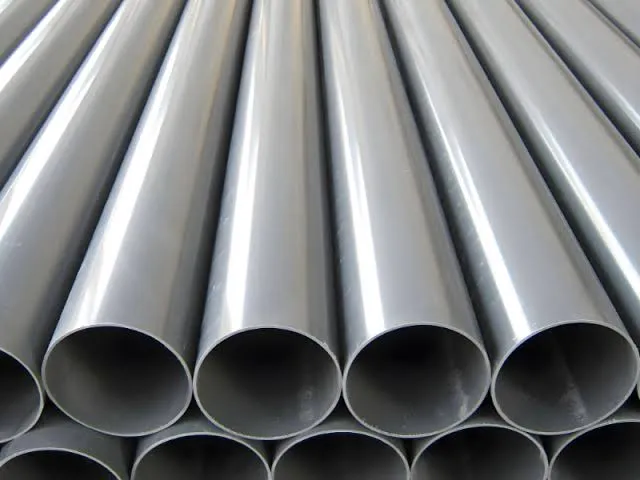
Understanding the most common installation mistakes can help ensure a reliable and leak-free piping system.
1. Choosing the Wrong Pipe Size
Selecting an incorrect pipe diameter can lead to poor water flow, increased pressure loss, or drainage problems. Always calculate the required flow rate and choose the appropriate pipe size for the application.
2. Cutting Pipes Improperly
Rough or uneven pipe cuts can prevent fittings from sealing correctly. Use a proper pipe cutter or fine-tooth saw and ensure the cut is straight and clean before installation.
3. Failing to Remove Burrs
After cutting, sharp edges and burrs should be removed. Leaving them in place can damage seals, restrict flow, and weaken the pipe joint.
4. Using Too Much or Too Little Solvent Cement
Applying too little solvent cement may result in leaks, while excessive cement can weaken the joint and block the pipe interior. Apply an even, thin layer according to the manufacturer’s instructions.
5. Not Allowing Enough Curing Time
Many installers rush the process by pressurizing the system too soon. Solvent-welded joints need sufficient curing time to achieve maximum strength before testing or operation.
6. Ignoring Thermal Expansion
Although UPVC has good dimensional stability, temperature changes can still cause expansion and contraction. Long pipe runs should include expansion allowances where necessary.
7. Installing Pipes Without Proper Support
Insufficient pipe supports can cause sagging, joint stress, and long-term damage. Follow the recommended support spacing based on pipe diameter and operating conditions.
8. Over-Tightening Threaded Connections
Excessive force on threaded fittings can crack UPVC components. Tighten connections according to the manufacturer’s recommendations and avoid unnecessary stress.
9. Skipping Pressure Testing
A pressure test should always be performed before the system is put into service. Testing helps identify leaks or installation issues before they become costly repairs.
10. Mixing Incompatible Components
Using fittings, adhesives, or accessories that are not designed for UPVC systems can reduce performance and increase the risk of joint failure. Always use compatible products from reputable manufacturers whenever possible.
Best Practices for a Successful Installation
Proper planning, accurate measurements, clean pipe preparation, and careful joint assembly are the foundations of a reliable UPVC piping system. Following installation guidelines and using high-quality materials will significantly improve system performance and extend its service life.
Conclusion
Most UPVC pipe failures are caused by installation errors rather than defects in the material itself. By avoiding these common mistakes and following recommended installation practices, you can maximize the lifespan, safety, and efficiency of your UPVC piping system while minimizing maintenance and repair costs.